Driving in Australia as a Canadian
In Australia you drive on the left, the opposite of Canada, so the steering wheel is on the right and you go clockwise around roundabouts. Your Canadian licence is all you need to drive in Australia.
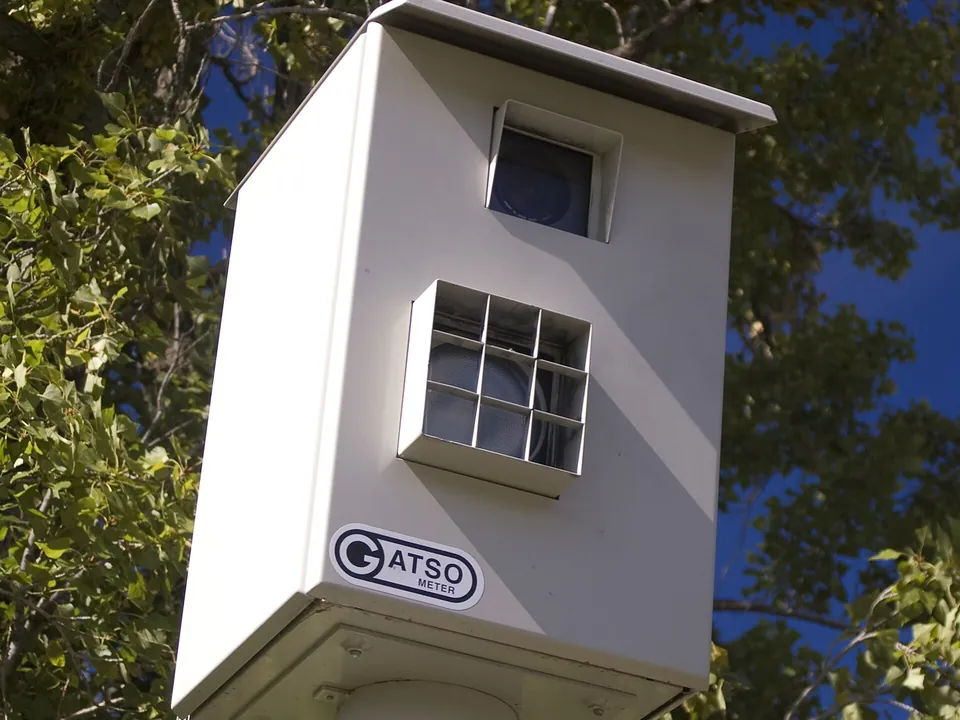
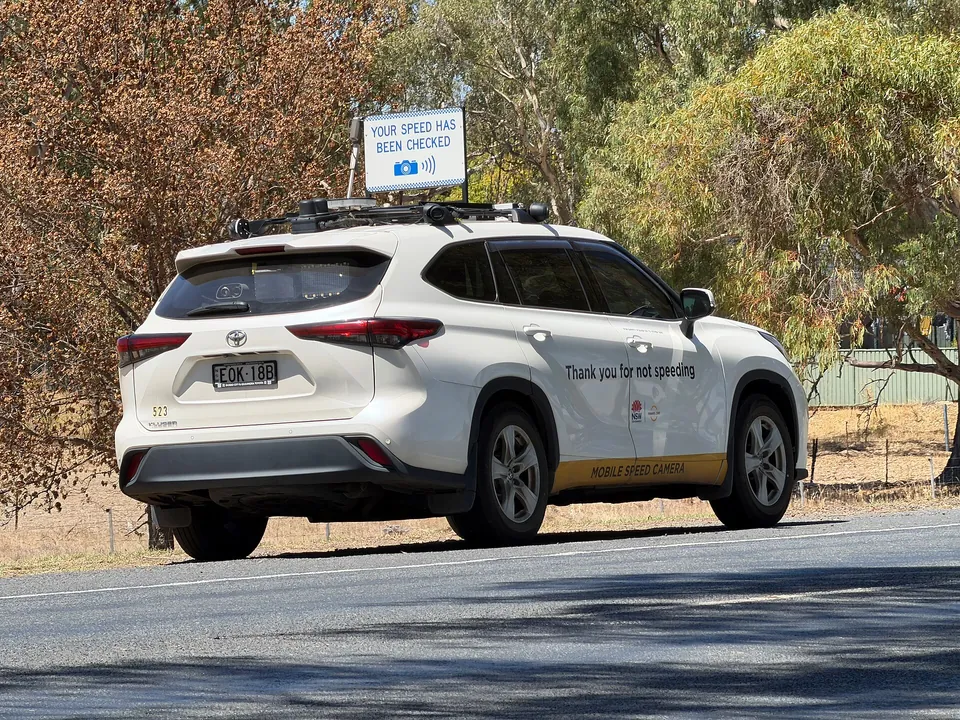
Unless signposted otherwise, the limits are usually 50 km/h in towns, and 100 on country roads and highways. Watch for fixed, mobile, average speed and red light cameras, and for cameras that catch drivers holding a phone or without a seatbelt.
Australia and Canada side by side
The rows in yellow are different from home.
| Rule | Australia | Canada |
|---|---|---|
| Drive on the | Left | Right |
| Speed units | km/h | km/h |
| Alcohol limit | 0.05 | 0.05 |
| Holding a phone | Banned | Banned |
| Turn on red | Only where signposted | Yes, after stopping |
| Unmarked junctions | Traffic from the right | Traffic from the right |
| Roundabouts go | Clockwise | Counterclockwise |
| Daytime headlights | When visibility is poor | When visibility is poor |
| Passing on the inside | Allowed | Allowed |
The rules that catch Canadians out
The most important first.
They drive on the left
In Australia you drive on the left. At home you drive on the right. The steering wheel is on the right, and in a manual car you change gears with your left hand. Habit puts people on the wrong side when they pull out of a parking lot or turn into a quiet street, so say it out loud for the first day. At junctions, the nearest traffic comes from your right, so look right first.
Roundabouts go clockwise
Roundabouts go clockwise here. At home you go counterclockwise. Yield to traffic already on the roundabout, which comes from your right, so look right as you enter.
The road that ends yields
At a T-intersection, the driver on the road that ends must yield to every vehicle on the continuing road, unless a sign says otherwise. This holds even when the continuing road bends around the corner.
Hook turns in central Melbourne
Where a RIGHT TURN FROM LEFT ONLY sign is shown, mostly in Melbourne's CBD and inner suburbs, you turn right from the far left lane. Signal right and move forward along the left side of the intersection, clear of the crosswalk, until you are near the far side of the road you are turning into. Wait there until the lights on that road turn green, then turn right.
Stop behind trams at tram stops
In Melbourne, when a tram stops at a stop without a safety zone or island, stop level with the back of the tram. Wait until passengers have crossed and the doors close. Pass trams only on the left.
Cameras catch phone use and seatbelts
Holding a phone is illegal even when stopped at lights, and cameras in NSW, Victoria, Queensland and the ACT photograph drivers using one. They also check seatbelts. In Queensland each offence costs $1,295, and the driver is fined again for each unbelted front passenger.
Slow down past emergency vehicles
In NSW, slow to 40 km/h when passing a stopped emergency vehicle with flashing lights where the limit is 80 km/h or less, and move over on faster roads. Victoria requires 40 km/h past emergency, incident response and roadside assistance vehicles that are stopped or moving slower than 10 km/h with flashing lights or an alarm.
Animals at dawn and dusk
Kangaroos, livestock and, in the outback, camels wander onto unfenced roads. They are hardest to see around sunrise and sunset. Slow down and brake firmly in a straight line. Never swerve, because swerving at speed can roll the car or put you into oncoming traffic.
Long distances and fatigue
Fatigue is a factor in about 20 per cent of road deaths in NSW. Towns can be hundreds of kilometres apart. Stop for 15 minutes every 2 hours and share the driving.
Road trains in the outback
In the Northern Territory, road trains can be up to 53.5 metres long and travel at up to 100 km/h. Pass only with a long stretch of clear road ahead. Pull back in only when you can see both of its headlights in your mirror.
School zones
The limit is 40 km/h on school days during the times shown on the sign. NSW school zones have flashing lights and 40 painted on the road. Where: Around schools. Fine: Higher fines and demerit points than ordinary speeding in NSW. A phone offence costs $577 in a NSW school zone instead of $434. The limit applies on every school day during the signposted times, even if you see no children. NSW fixed cameras in school zones work 24 hours a day.
Tolls with no booths
All of Sydney's toll roads are cashless, and tolls in Melbourne and Brisbane are also charged electronically as you drive. You pay with a tag, a pass linked to the licence plate, or online within a few days of the trip. In Sydney, set up a pass before the trip or up to 72 hours after it. Otherwise a Toll Payment Demand goes to the vehicle's registered operator, for the toll plus a video matching fee per trip. Passes are generally valid only in the state that issues them. Linkt is the only provider whose passes work in all states.
5 more rules worth knowing
Zero alcohol for new and young drivers
Learner and provisional drivers must have zero alcohol. In the Northern Territory, so must any driver under 25 with less than 3 years' experience, which may include young visitors. Everyone else must stay under 0.05.
Speed limits
Country roads are 100 km/h here, faster than the 80 km/h at home.
What the car must carry
The car must carry a child car seat and snow chains (in some areas). Rental cars should have them, but check before you drive away, because the driver gets the fine.
Your Canadian licence is enough
With a Canadian licence, your own licence is enough. You don't need an International Driving Permit. These licences are in English and can be used as they are while you are a visitor and the licence is current.
Yield to the right at unmarked crossroads
At an intersection with no lights, signs or roundabout, a driver going straight ahead must yield to any vehicle approaching from the right. Turning right, you also yield to oncoming traffic going straight ahead or turning left. Some intersections have no signs at all, so watch for traffic from the right. At a junction with no signs, signals or road markings, yield to traffic coming from your right, even from a small side street. It's the same rule as at home.
Open Australia in the app, set to a Canadian licence, and keep all of this with you offline.
Open it in the appSpeed limits compared with home
The black marks show your limits at home.
Who goes first
Priority to the right
Roundabouts go clockwise
Signs that look different from home
Yield (yield)
You must yield to all vehicles in, entering or approaching the intersection.
Speed limit
The maximum speed in km/h.
School zone
A 40 km/h limit applies on school days during the times shown.
Kangaroos ahead
Kangaroos may be on or near the road.
Speed camera warning (NSW)
A fixed speed camera is ahead.
Roundabout ahead
A roundabout is ahead.
Livestock crossing
Farm animals may be crossing or standing on the road.
Signs you won't know from home
Roundabout. Yield to all vehicles already on it.
To turn right here, you must make a hook turn from the left lane.
At these traffic lights you may turn left on a red light, after stopping.
You must pass to the left of the sign.
The road dips through a causeway that may be covered by water.
This road is a toll road. In Sydney, tolls are charged electronically and there are no booths.
You must not stop at all along the curb in the direction of the arrows, except in an emergency.
No stopping or parking during the times shown. Cars left there are towed.
The NSW default limit of 100 km/h applies from here.
Speed cameras
NSW, Victoria and Queensland use fixed, red light, mobile and average speed cameras. NSW, Victoria, Queensland and the ACT also use cameras that catch phone use and unworn seatbelts. NSW puts warning signs before its fixed cameras, at red light camera intersections and around its marked mobile camera cars. Victoria's mobile cameras can work from unmarked cars and have no warning signs. Camera fines go to the vehicle's registered owner, which for a rental car is the rental company. In NSW the owner is responsible until it names the driver, and companies must name the driver of a company vehicle. An overseas visitor is named using their passport number and country, and the fine then passes to them.
Before you drive
- Your driving licenceThe physical card, not a photo or a digital licence.
- Your passportRental companies and police ask for ID.
- Child car seatChildren under 7 must travel in an approved child restraint suited to their age. Babies under 6 months need a rear-facing seat.
- A way to pay the free-flow tollsAll of Sydney's toll roads are cashless, and tolls in Melbourne and Brisbane are also charged electronically as you drive. You pay with a tag, a pass linked to the licence plate, or online within a few days of the trip.
Driving in Australia soon?
Get the before-you-drive checklist for Australia by email, with what to carry, what to check on the hire car, and the rules people get fined for.
The checklist now, one more email a few days later, and a reminder before you drive if you add the date. Unsubscribe any time.
Where Canadians drive next
Australia for drivers from elsewhere
Sources: the official Australia sources listed on the Australia guide, checked 15 October 2026.