Driving in Greece as a Croatian
Greece drives on the right, the same as Croatia. Your Croatian licence is all you need to drive in Greece.
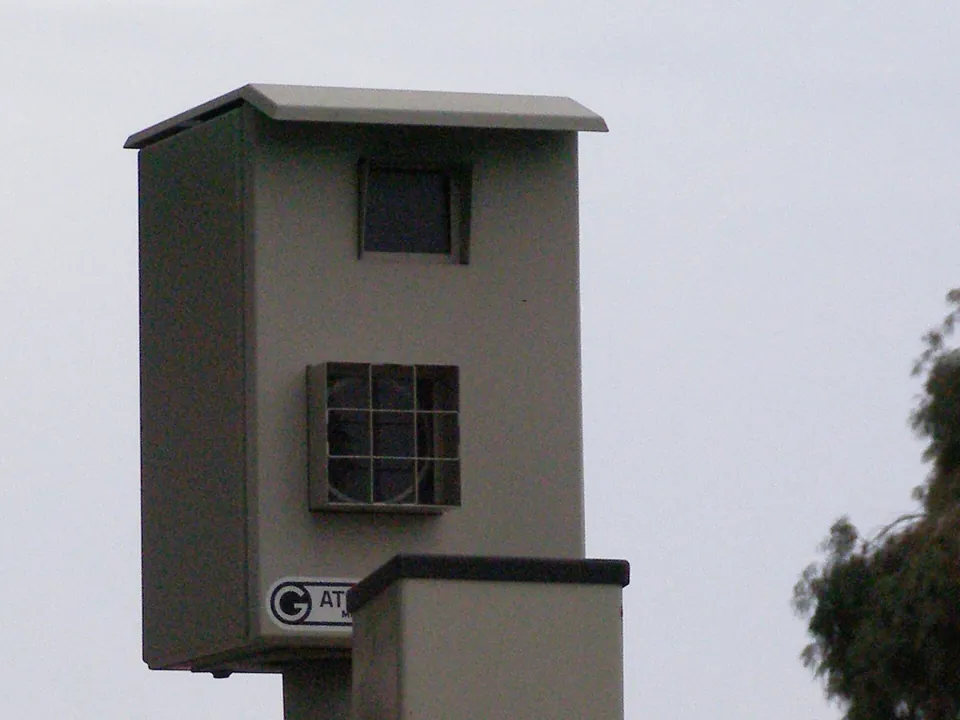
Unless signposted otherwise, the limits are 30 km/h in towns, 90 on country roads and 130 on motorways. Watch for fixed, mobile, average speed and red light cameras, and for cameras that catch drivers holding a phone or without a seatbelt.
Greece and Croatia side by side
The rows in yellow are different from home.
| Rule | Greece | Croatia |
|---|---|---|
| Drive on the | Right | Right |
| Speed units | km/h | km/h |
| Alcohol limit | 0.05 | 0.05 |
| Holding a phone | Banned | Banned |
| Earphones | Restricted | Restricted |
| Turn on red | No | No |
| Unmarked junctions | Traffic from the right | Traffic from the right |
| Roundabouts go | Anticlockwise | Anticlockwise |
| Daytime headlights | Not required | On in winter |
The rules that catch Croatians out
The most important first.
Towns are now 30 km/h
Since 1 January 2026 the default limit in built-up areas is 30 km/h, not 50. Only roads with two or more marked lanes in each direction, one-way roads with two or more lanes, and roads with a central island stay at 50 km/h. Signs can set other limits.
Licence suspensions for everyday offences
Most offences now cost a fine and a licence suspension. Using a phone, not wearing a seatbelt or ignoring a stop sign costs €350 and 30 days without your licence. Running a red light costs €700 and 60 days.
Cameras across Attica
Since March 2026, cameras in Attica have fined drivers automatically. 388 red-light cameras watch 100 junctions, AI cameras catch phone use and missing seatbelts or helmets, and Athens buses carry bus lane cameras. More are due in Thessaloniki and Crete. The fine reaches you through the hire company, which names you as the driver.
Scooters and quad bikes need the right licence
Your licence must cover the vehicle you hire. For mopeds the UK government says you need at least category A1, and the UK category P is not valid. Riders and passengers must wear helmets, and the fine for not wearing one is €350. Small scooter and quad bike rental firms often carry no insurance and make you pay for all damage, and your travel insurance may not cover these vehicles.
Island roads
Island roads are often narrow, winding and sometimes unpaved, with blind bends. Pedestrians, cyclists and animals such as goats share the road. Scooter and quad bike crashes injure and kill visitors on the islands every summer.
11 more rules worth knowing
Slower drivers use the hard shoulder
On many two-lane highways, slower drivers move onto the hard shoulder so others can pass, and some drivers overtake across the centre line. Expect it, and do not rely on lane markings. Driving in an emergency lane is an offence that the new cameras can record.
Motorbikes on every side
Motorbikes ride between lanes and pass on both sides. Check your mirrors and blind spots before changing lanes or turning.
Pedestrian crossings
Drivers must stop for pedestrians at crossings, but many local drivers do not. Stop anyway, and check your mirror first in case the driver behind does not expect it.
Electric cars on ferries
Since April 2024, electric and plug-in hybrid cars may board ferries only with the battery charged to 40 per cent or less. Plan your charging before an island crossing.
Speed limits
Towns are 30 km/h here, slower than the 50 km/h at home.
What the car must carry
The car must carry a fire extinguisher and a first aid kit. Hire cars should have them, but check before you drive away, because the driver gets the fine.
Bus lanes
Bus lanes are for buses. Cameras on buses record cars that drive or stop in them. Where: Athens. Fine: €350 and a 70-day licence suspension for stopping or parking so that you block public transport. Stay out of lanes marked for buses, even to drop someone off.
Toll roads
Most Greek motorways charge tolls at toll stations along the road. You pay at each station in cash, by card or with an electronic tag. On Attiki Odos, the motorway around Athens, a car pays €2.80 once, on entry, however far it goes. Attiki Odos staffed lanes take cash and bank cards, but not Diners or American Express. Its electronic toll lanes are for e-PASS tag holders.
No turning on red
A red light means stop, including when turning right. You may only go when a green arrow lights up beside the red light, and only in the arrow's direction. Running a red light costs €700 and a 60-day licence suspension.
Priority to the right
At junctions without signs, traffic from the right has priority. At a roundabout with no sign at the entry, this means traffic entering has priority over traffic already going round. Where the entry has a give-way or stop sign, give way to traffic on the roundabout. At a junction with no signs, signals or road markings, give way to traffic coming from your right, even from a small side street. It's the same rule as at home.
No smoking with children in the car
Smoking in a car is banned when a child under 12 is on board.
Open Greece in the app, set to a Croatian licence, and keep all of this with you offline.
Open it in the appSpeed limits compared with home
The black marks show your limits at home.
Who goes first
Priority to the right
When your road has priority
Signs that look different from home
Maximum speed
You may not drive faster than the number shown, in km/h.
Camera warning sign
Enforcement cameras are installed ahead. The law requires this sign wherever the new cameras are installed and before each fixed speed camera.
Dangerous bend
A sharp bend is ahead.
Roadworks
Roadworks are ahead.
Signs you won't know from home
The lane or road is for buses and trolleybuses only.
Directions on a motorway or to a motorway.
Directions on expressways and main roads.
Directions to local places.
Rocks may fall onto the road.
Speed cameras
Camera enforcement grew fast in 2026, mostly in Attica. There are 388 red-light cameras at 100 junctions, AI cameras that catch phone use and missing seatbelts or helmets, an average speed check on Syngrou Avenue, cameras on Athens buses, and fixed speed cameras on Attiki Odos. By law a warning sign must be displayed wherever the new cameras are installed. Fines go electronically to the registered owner, which for a hire car is the hire company. Camera fines are sent electronically through gov.gr to the registered owner. For a hire car the owner is the hire company, which has seven days to name the driver from the rental contract. Many rental contracts let the company charge your card for the fine plus an admin fee.
Before you drive
- Your driving licenceThe physical card, not a photo or a digital licence.
- Your passportHire companies and police ask for ID.
- Warning triangleCheck it's in the car before you drive away.
- Fire extinguisherCheck it's in the car before you drive away.
- First aid kitCheck it's in the car before you drive away.
Driving in Greece soon?
Get the before-you-drive checklist for Greece by email, with what to carry, what to check on the hire car, and the rules people get fined for.
The checklist now, one more email a few days later, and a reminder before you drive if you add the date. Unsubscribe any time.
Where Croatians drive next
Greece for drivers from elsewhere
Sources: the official Greece sources listed on the Greece guide, checked 15 October 2026.