Driving in Italy as a UK driver
In Italy you drive on the right, the opposite of the United Kingdom, so the steering wheel is on the left and you go anticlockwise around roundabouts. Your UK licence is all you need to drive in Italy. At junctions without signs or road markings, traffic from your right goes first, even from a small side street.
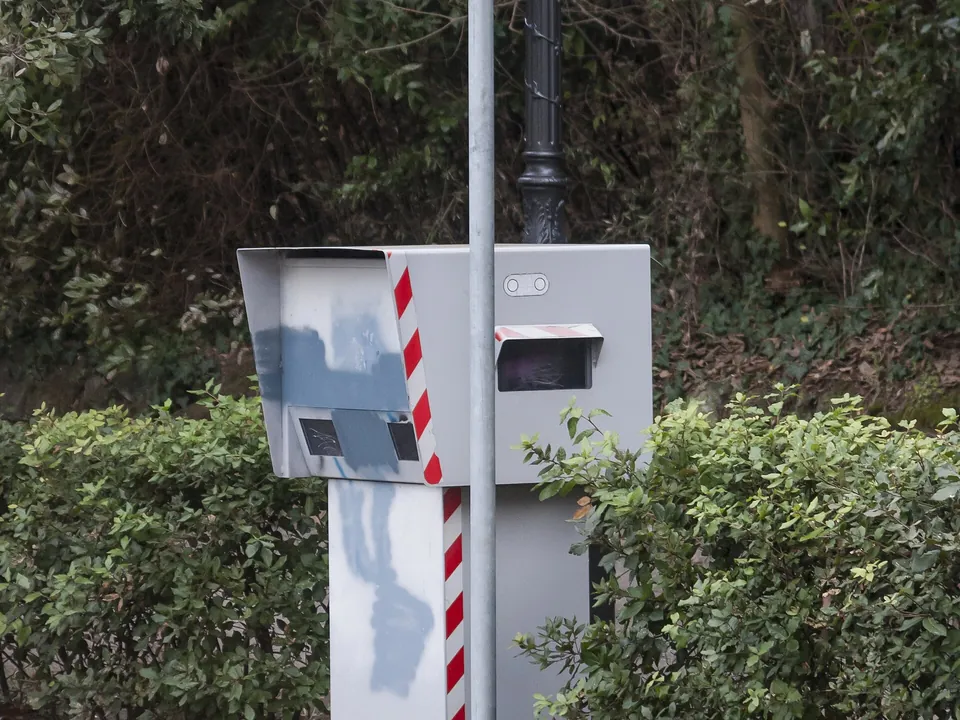
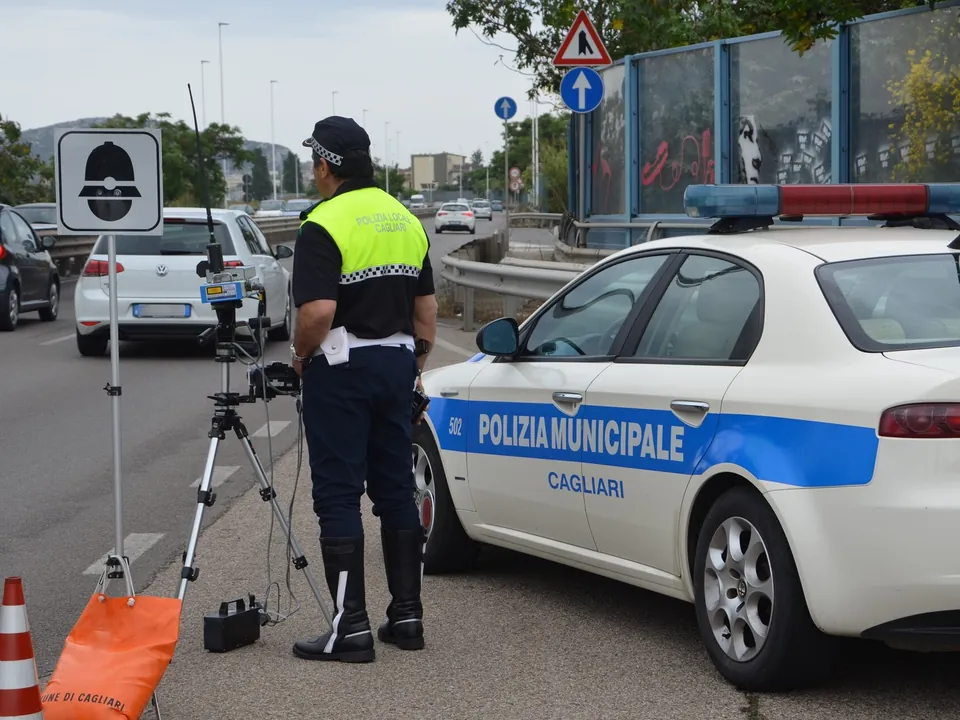
Unless signposted otherwise, the limits are 50 km/h in towns, 90 on country roads and 130 on motorways (110 in the rain), or about 31, 56 and 81 mph. Watch for fixed, mobile, average speed and red light cameras, and for the cameras at the entrances to restricted traffic zones. The alcohol limit is 0.05, lower than the 0.08 at home.
Italy and the United Kingdom side by side
The rows in yellow are different from home.
| Rule | Italy | United Kingdom |
|---|---|---|
| Drive on the | Right | Left |
| Speed units | km/h | mph |
| Alcohol limit | 0.05 | 0.08 |
| Holding a phone | Banned | Banned |
| Turn on red | No | No |
| Unmarked junctions | Traffic from the right | No fixed rule |
| Roundabouts go | Anticlockwise | Clockwise |
| Daytime headlights | On outside towns | When visibility is poor |
| Passing on the inside | Only in slow traffic | Only in slow traffic |
The rules that catch UK drivers out
The most important first.
They drive on the right
In Italy you drive on the right. At home you drive on the left. The steering wheel is on the left, and in a manual car you change gears with your right hand. Habit puts people on the wrong side when they pull out of a car park or turn into a quiet street, so say it out loud for the first day. At junctions, the nearest traffic comes from your left, so look left first.
Roundabouts go anticlockwise
Roundabouts go anticlockwise here. At home you go clockwise. Give way to traffic already on the roundabout, which comes from your left, so look left as you enter.
Priority to the right
At a junction without signs, give way to traffic coming from your right, even from a small side street. The same applies at roundabouts without give way signs. At home there's no fixed rule at unmarked junctions.
Phone use costs your licence
Holding a phone while driving costs €250 to €1,000 and a licence suspension of 15 days to 2 months, even for a first offence.
Lower limits in rain
In rain or snow the motorway limit drops from 130 to 110 and the limit on main roads outside towns drops from 110 to 90, without any sign telling you.
Zero alcohol for young and new drivers
Drivers under 21, and drivers in their first three years after getting a car licence, must not drink at all before driving. New drivers are also limited to 100 on motorways and 90 on main roads outside towns. The blood alcohol limit is 0.05, and zero for drivers under 21, and drivers in their first 3 years after getting a car licence. That's lower than the 0.08 at home.
Limited traffic zones (ZTL)
Only vehicles with a permit may enter while the zone is active. A camera at every gate records each number plate. An electronic panel at the gate shows ZTL ATTIVA in red when the zone is closed and ZTL NON ATTIVA in green when it is open. Older panels say VARCO ATTIVO, which also means closed. Where: Historic centres of many cities and towns, including Rome, Florence, Milan and Pisa. Fine: €83 to €332 plus notification costs. Repeated entries into the same zone on the same day bring one fine. A hire car has no permit. If your hotel is inside a ZTL, ask the hotel to register your number plate before you drive in. That authorisation covers only that zone, not others in the city.
Rome ZTL Centro Storico
Closed to vehicles without a permit from 6:30 to 18:00 Monday to Friday and from 14:00 to 18:00 on Saturday, except public holidays. A night zone also applies from 23:00 to 3:00 on Friday and Saturday nights, except in August. Where: Historic centre of Rome. Fine: €83 to €332. Rome has five ZTLs. Park outside the centre and use public transport.
Florence ZTL
In the central sectors A, B and O, cameras enforce the zone from 7:30 to 20:00 Monday to Friday and from 7:30 to 16:00 on Saturday. From spring to early autumn a night zone also runs on some nights from 23:00 to 3:00. Where: Historic centre of Florence, a UNESCO World Heritage site, split into sectors A, B, O, F and G. Fine: €83 to €332. You can buy a daily permit online, for transit only or for transit and parking in residents' spaces. Print it and display it in the car. Permits cannot be refunded, and one vehicle can have at most 10 a month. Guests of authorised hotels and B&Bs can get free daily permits through their accommodation.
Seasonal ZTLs at UNESCO sites
Since the 2024 reform, traffic can be restricted for up to five months a year to protect UNESCO sites. Where: Areas around UNESCO World Heritage sites chosen by a region, autonomous province or road owner. Fine: €87 to €344.
12 more rules worth knowing
Headlights on outside towns
Outside built-up areas you must drive with dipped headlights on at all times, even in bright sun. Daytime running lights count, except in tunnels and poor visibility.
Fines arrive months later
The hire company gives your details to the police and may charge an admin fee. The fine follows within 360 days, often from a collection agency acting for the Italian police.
Milan charges to enter the centre
Driving into Milan's Area C on a weekday between 7:30 and 19:30 costs €7.50. Pay by midnight the next day, or it rises to €22.50.
Hi-vis vest before you step out
Outside built-up areas you must put on a hi-vis vest before you get out of a broken-down car at night or in poor visibility, even on the hard shoulder.
Child seat alarm in hire cars
Cars registered in Italy must use an alarm that warns if a child under 4 is left in the car. Ask for a child seat that has one.
Speeds are in km/h
Speed signs and your speedometer's main scale are in kilometres per hour. 50 km/h is about 31 mph, 90 km/h is about 56 mph, 130 km/h is about 81 mph.
Speed limits
Motorways are 130 km/h (about 81 mph) here, faster than the 70 mph at home. The sign with the town's name on it sets the town limit by itself, usually with no speed sign. Limits drop when it rains.
Rome Fascia Verde
Some more polluting vehicles may not use roads in the green band. Where: Most of Rome.
Milan Area C
Cameras at every entry record vehicles from 7:30 to 19:30, Monday to Friday. Each day you enter costs €7.50 if you pay by midnight on the day after. Between then and the seventh day the charge is €22.50. It is not active on weekends and public holidays. Where: Milan city centre inside the Cerchia dei Bastioni ring. Buy a ticket online from the Area C portal, at a parking meter, a tobacconist or a partner car park, and link it to your number plate. One ticket covers every entry that day.
Florence Scudo Verde
Vehicles built before about 1997, such as Euro 0 petrol and Euro 0 and 1 diesel cars, are banned 24 hours a day, every day. There is no charge for other vehicles. Where: About two thirds of Florence's built-up area, behind 77 camera gates. A modern hire car is not affected.
Toll roads
Most motorways charge a toll. On most of them you take a ticket when you join and pay at a booth when you leave, based on where you joined. Lanes marked for telepedaggio, such as Telepass, are for drivers with an electronic toll tag. Without a tag, use a staffed lane or a self-service lane. Staffed lanes take cash and the main credit and debit cards. Self-service lanes take cash or cards, and some take cards only (solo carte).
No overtaking at pedestrian crossings
You must not overtake a vehicle that has stopped or slowed down to let pedestrians cross.
Open Italy in the app, set to a UK licence, and keep all of this with you offline.
Open it in the appSpeed limits compared with home
Signs here are in km/h. The black marks show your limits at home, converted.
Who goes first
Priority to the right
When your road has priority
Signs that look different from home
Electronic speed check
A speed camera or police speed check is ahead. The law requires this warning before fixed and mobile checks.
Motorway
Start of a motorway. The limit is 130 km/h, or 110 km/h in rain or snow, and tolls usually apply.
End of motorway
End of the motorway and its limits.
Speed limit
Maximum speed in km/h from this point.
Give way
Give way to traffic on the road you are joining.
Roundabout
Roundabout. Drive round it anticlockwise.
Signs you won't know from home
Entry to a limited traffic zone. During the hours shown, only vehicles with a permit may enter. Where cameras enforce it, a panel reading CONTROLLO ELETTRONICO ZTL is added.
You are entering a built-up area. The 50 km/h limit and a ban on using the horn start here unless other signs say otherwise.
End of the built-up area. The 50 km/h limit ends and the limit for the type of road applies.
This way leads to a motorway (autostrada). Most motorways charge a toll.
Directions along ordinary roads outside towns, not motorways.
Directions to districts, hospitals, airports and other places within a town. Brown signs point to tourist sights.
Start of a main road outside towns. The limit is 110 km/h, or 90 km/h in rain or snow.
You are on a priority road. Traffic from side roads must give way to you.
Your priority ends. Priority to the right applies again at junctions without signs.
Speed cameras
Italy uses fixed speed cameras, average-speed cameras on motorways, mobile police checks, red light cameras and cameras at the gates of limited traffic zones. Speed checks must be announced in advance by signs. Fines are sent by post, often months later. For a hire car, the hire company gives your details to the police and may charge an admin fee. For people living abroad the notice must be sent within 360 days of the offence, and it usually comes from a collection agency acting for the Italian police, with a website such as myfines.it where you can see the photo and pay. You have 60 days to contest it.
Before you drive
- Your driving licenceThe physical card, not a photo or a digital licence.
- Your passportHire companies and police ask for ID.
- Warning triangleOutside built-up areas, place it at least 50 metres behind a stopped car that other drivers cannot see in time.
- Hi-vis vestOutside built-up areas you must wear it when you get out of a stopped car at night or in poor visibility, including on the hard shoulder or in a lay-by. Keep it inside the car, not in the boot.
- Child seatChildren shorter than 1.50 metres must use an approved child restraint suited to their weight.
- Anti-abandonment alarm for child seatsRequired in a car registered in Italy, which includes most hire cars, when you carry a child under 4. Ask the hire company for a seat that has one.
- Rome Fascia VerdeSome more polluting vehicles may not use roads in the green band.
- Florence Scudo VerdeA modern hire car is not affected.
Driving in Italy soon?
Get the before-you-drive checklist for Italy by email, with what to carry, what to check on the hire car, and the rules people get fined for.
The checklist now, one more email a few days later, and a reminder before you drive if you add the date. Unsubscribe any time.
Where UK drivers drive next
Italy for drivers from elsewhere
Sources: the official Italy sources listed on the Italy guide, checked 15 October 2026.